Online Business Can Quietly Become an Identity Crisis
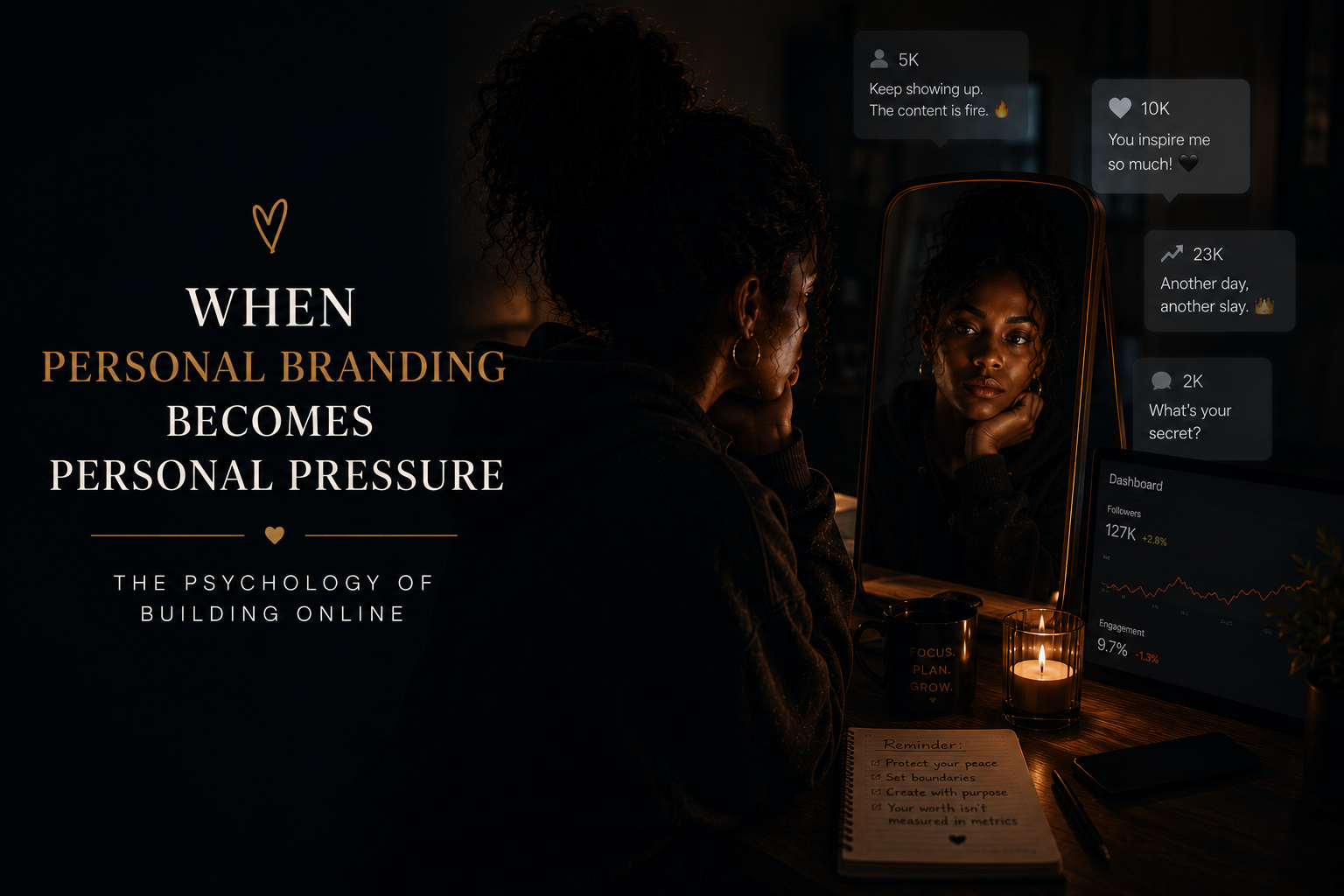
Online Business Can Quietly Become an Identity Crisis
One of the most overlooked realities of building an online business is that it not only changes a person’s income or career path. Over time, it can slowly begin changing its identity. What often starts as a creative project, side hustle, or financial goal can gradually evolve into something far more personal. For many creators and entrepreneurs, online business becomes deeply connected to self-worth, purpose, validation, and identity itself.
This transformation rarely happens all at once. In the beginning, building online feels exciting and empowering. People are drawn toward the freedom of working for themselves, creating content, sharing ideas, and escaping traditional limitations. The internet creates the possibility of reinvention. Someone can completely reshape how they are perceived by the world using nothing more than a phone, a platform, and consistent visibility.
That level of reinvention can feel intoxicating.
For many people, online business is not just about money. It becomes symbolic of independence, healing, escape, status, personal growth, or finally becoming the version of themselves they always wanted to be. Success online starts representing emotional meaning far beyond income alone.
The problem is that when identity becomes deeply attached to online performance, emotional stability can become extremely fragile.
Modern internet culture encourages people to turn themselves into brands. Creators are often told to build a “personal brand,” develop a recognizable identity, maintain a niche, stay visible, and create consistent content around who they are as people. Over time, personality itself becomes monetized. A creator’s thoughts, appearance, lifestyle, opinions, routines, struggles, and relationships can all become part of the content ecosystem surrounding their business.
The line between authentic identity and professional performance slowly blurs.
This creates a psychological tension that many creators struggle to explain. The more successful someone becomes online, the more pressure they often feel to maintain the version of themselves their audience expects to see. Algorithms reward consistency. Audiences become attached to familiar identities. Brands prefer predictability. As a result, creators can begin feeling trapped inside the online version of themselves that performs best publicly.
Growth can quietly create emotional confinement.
Many creators eventually realize they no longer know where the business ends and their real identity begins. Their audience knows them through curated content, edited thoughts, carefully selected aesthetics, and performance-driven visibility. Even authenticity itself can become performative online. People begin sharing vulnerability strategically because vulnerability performs well.
This can create emotional exhaustion that is difficult to articulate.
Researchers studying social media behavior and creator culture have increasingly raised concerns about identity disturbance, burnout, emotional labor, and the psychological effects of constant self-presentation online. Studies examining digital self-presentation suggest that continuously managing an online identity can create pressure, anxiety, and emotional disconnection over time, particularly when self-worth becomes tied to public response and audience validation.
Part of the difficulty comes from the fact that online businesses often reward external perception more than internal well-being. Visibility becomes currency. Attention becomes opportunity. Engagement becomes proof of relevance. Over time, creators may unconsciously prioritize maintaining an appealing identity over maintaining emotional stability.
The internet also accelerates comparison culture in ways that intensify identity confusion. Every day, creators are exposed to highly curated versions of other people’s success, routines, aesthetics, achievements, and lifestyles. This constant exposure can make people question whether they are successful enough, attractive enough, disciplined enough, or interesting enough to remain relevant online.
As a result, many creators begin shaping themselves around audience reaction rather than personal alignment.
This shift can become psychologically dangerous because human identity is supposed to evolve naturally over time. Real people change constantly. Interests change. Values change. Beliefs change. Emotional needs change. However, audiences and algorithms often reward consistency over evolution. Creators may fear disappointing followers if they change too much, speak differently, or move away from the identity their audience originally connected with.
The fear of losing relevance can slowly discourage authentic growth.
For some people, this creates a strange emotional paradox. They may achieve the online success they once dreamed about while simultaneously feeling disconnected from themselves underneath it. The business continues growing while the person behind it feels increasingly exhausted, uncertain, or emotionally fragmented.
Success online can sometimes intensify identity confusion instead of resolving it.
This is especially true when people build businesses during periods of loneliness, insecurity, emotional instability, or major life transitions. In those situations, online success can quietly become intertwined with emotional survival. Visibility starts feeling like proof of worth. Audience attention starts feeling emotionally necessary. The business stops being something a person does and starts becoming who they are.
That is where the identity crisis often begins.
None of this means building an online business is inherently unhealthy. The internet has created extraordinary opportunities for creativity, education, freedom, and connection. Many people genuinely love building online communities and sharing meaningful work with others. The problem begins when self-worth becomes inseparable from performance, visibility, or audience validation.
Human identity cannot remain emotionally healthy when it depends entirely on public reaction.
Perhaps one of the most important skills modern creators must learn is how to separate who they are from how they perform online. A business can be meaningful without becoming a person’s entire identity. Visibility can be valuable without determining self-worth. Success can exist without requiring constant self-abandonment.
The internet encourages people to build brands.
Real life still requires people to remain human underneath them.
Sources
Identity & Self-Perception
- American Psychological Association (APA) — Research on identity formation, self-esteem, and psychological well-being.
Digital Behavior & Online Identity
- Pew Research Center — Research on social media behavior, self-presentation, and digital identity.
Mental Health & Self-Worth
- National Institutes of Health (NIH) and National Library of Medicine (PMC) — Studies examining self-esteem, identity, emotional regulation, and social media use.
Creator Mental Health
- Harvard T.H. Chan School of Public Health — Research on creator burnout, audience pressure, and emotional well-being.
Public Health Research
- U.S. Surgeon General Advisory on Social Media and Mental Health — Research regarding online visibility, social comparison, and psychological health.